What to specify in an end-of-tenancy clean
Most deposit disputes about cleanliness come down to a specification that was never written down. Here is what to put in writing, what makes no practical difference, and where the arguments actually start.

Most deposit disputes about cleanliness are not really about cleaning. They are about a word. The tenancy said the property would be returned professionally cleaned, nobody wrote down what that meant, and now an adjudicator is being asked to decide whether a particular oven meets a standard that was never defined.
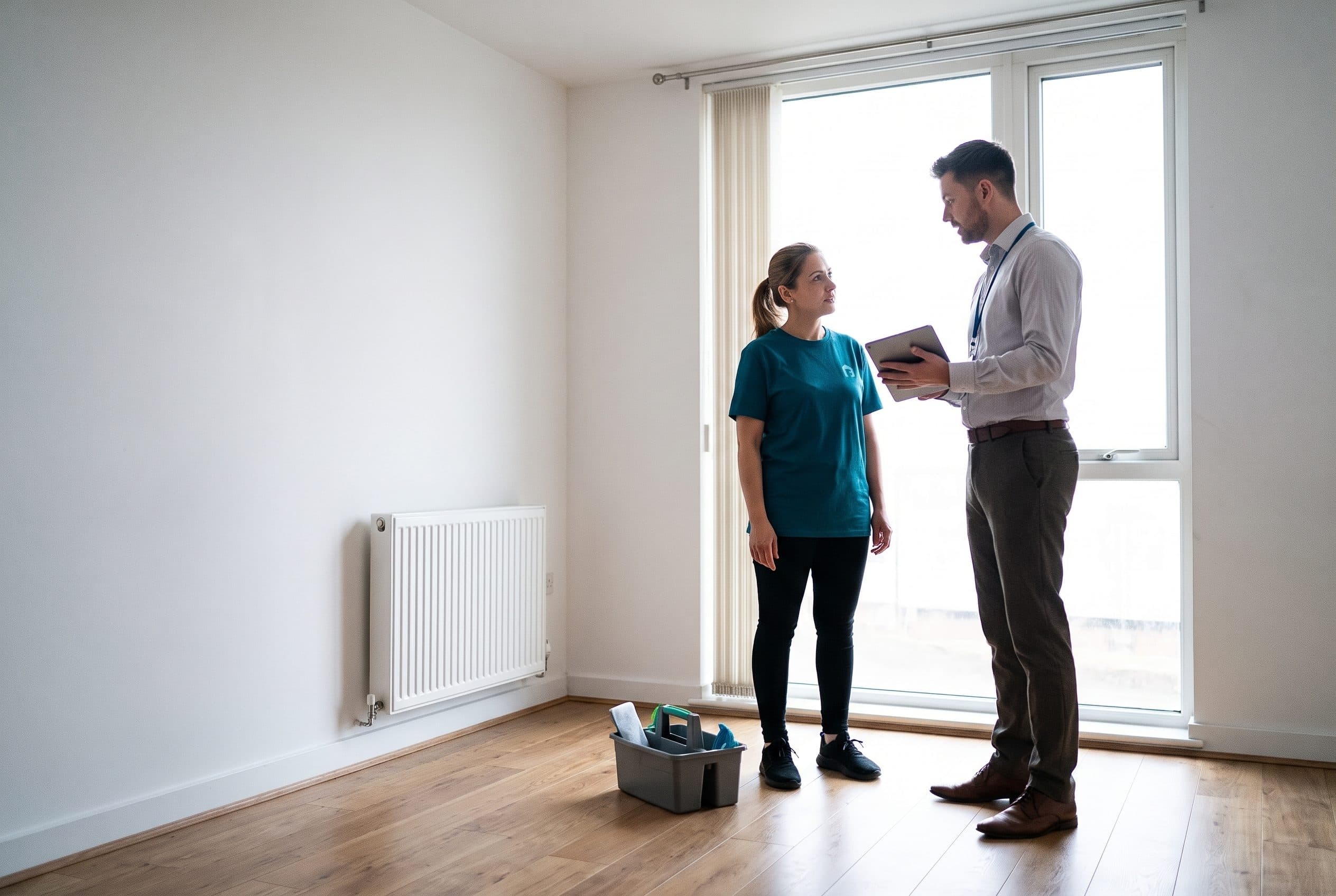
A specification fixes that before the tenancy starts. It replaces a judgement with a description, so the check-out is a comparison against a document rather than an argument about intent. For a busy negotiator, it is the difference between forwarding a photo set and sitting through a dispute.
Specify the standard, not the effort
The phrase professionally cleaned is unenforceable, because it describes who does the work rather than what the result must be. A tenant cannot be compelled to hire a company, and a deposit scheme will not uphold a clause that only names a method. What is enforceable is a described condition: the property returned to the standard recorded in the check-in inventory, allowing for fair wear and tear.
Write the outcome, then, not the process. The oven free of carbon and grease. Limescale removed from taps and screens. Carpets cleaned to the condition in the inventory photographs. Each of those can be checked against the property in front of you. Deep cleaned throughout cannot.
Where the arguments actually start
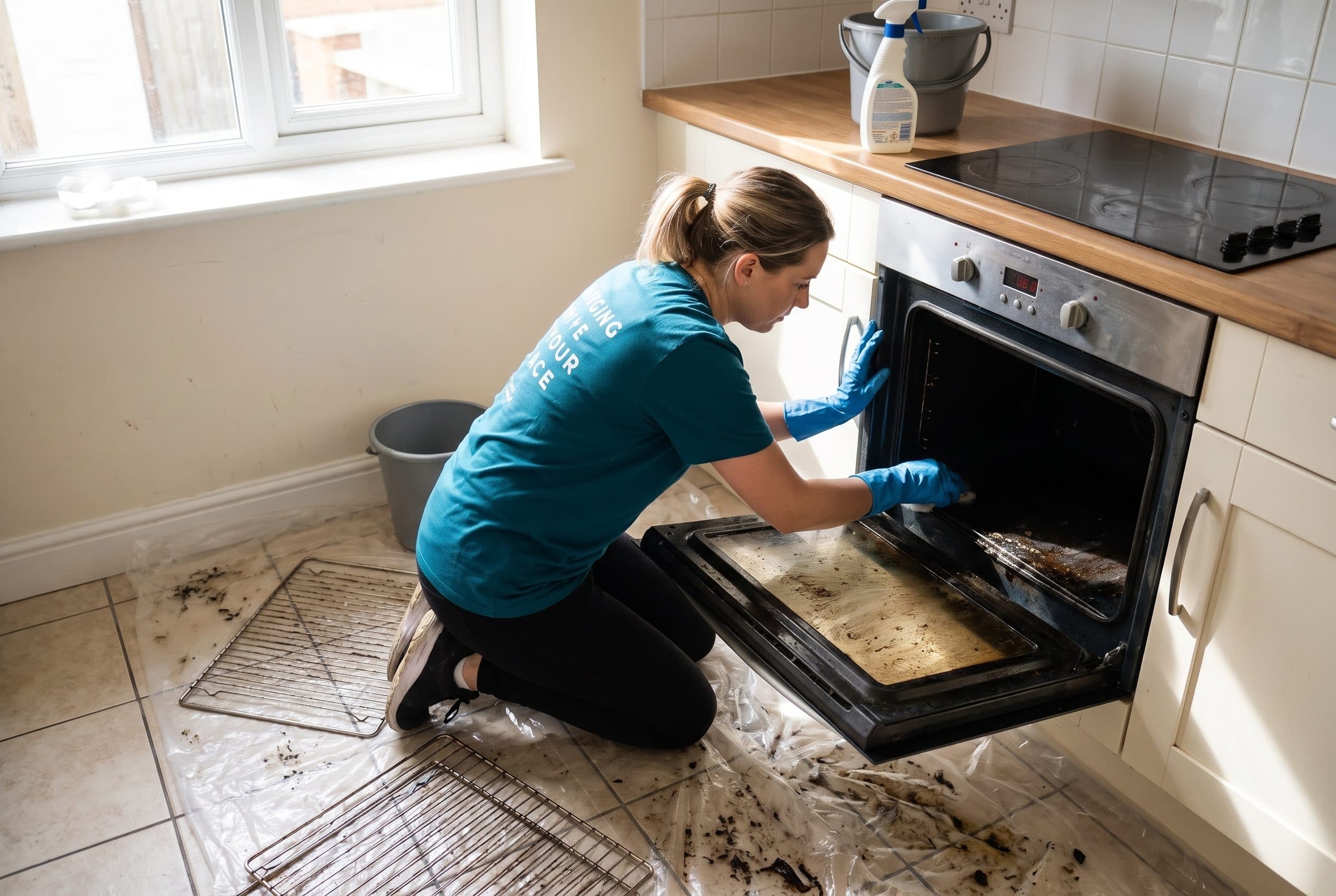
Four items account for most check-out disputes: the oven, limescale, carpets and outdoor space. Each is contentious for the same reason, which is that clean means something different to the person who lived there and the person letting the property again.
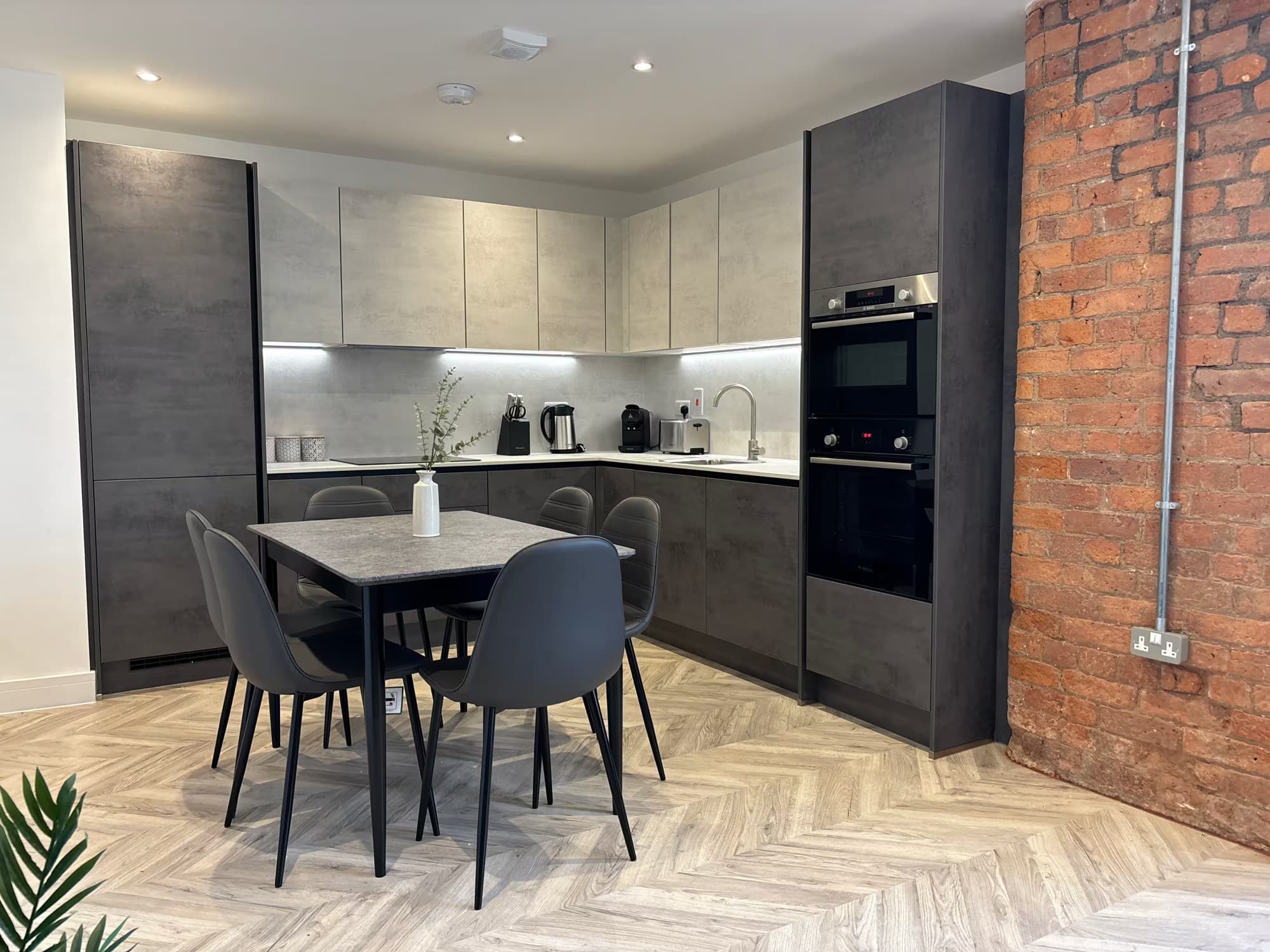
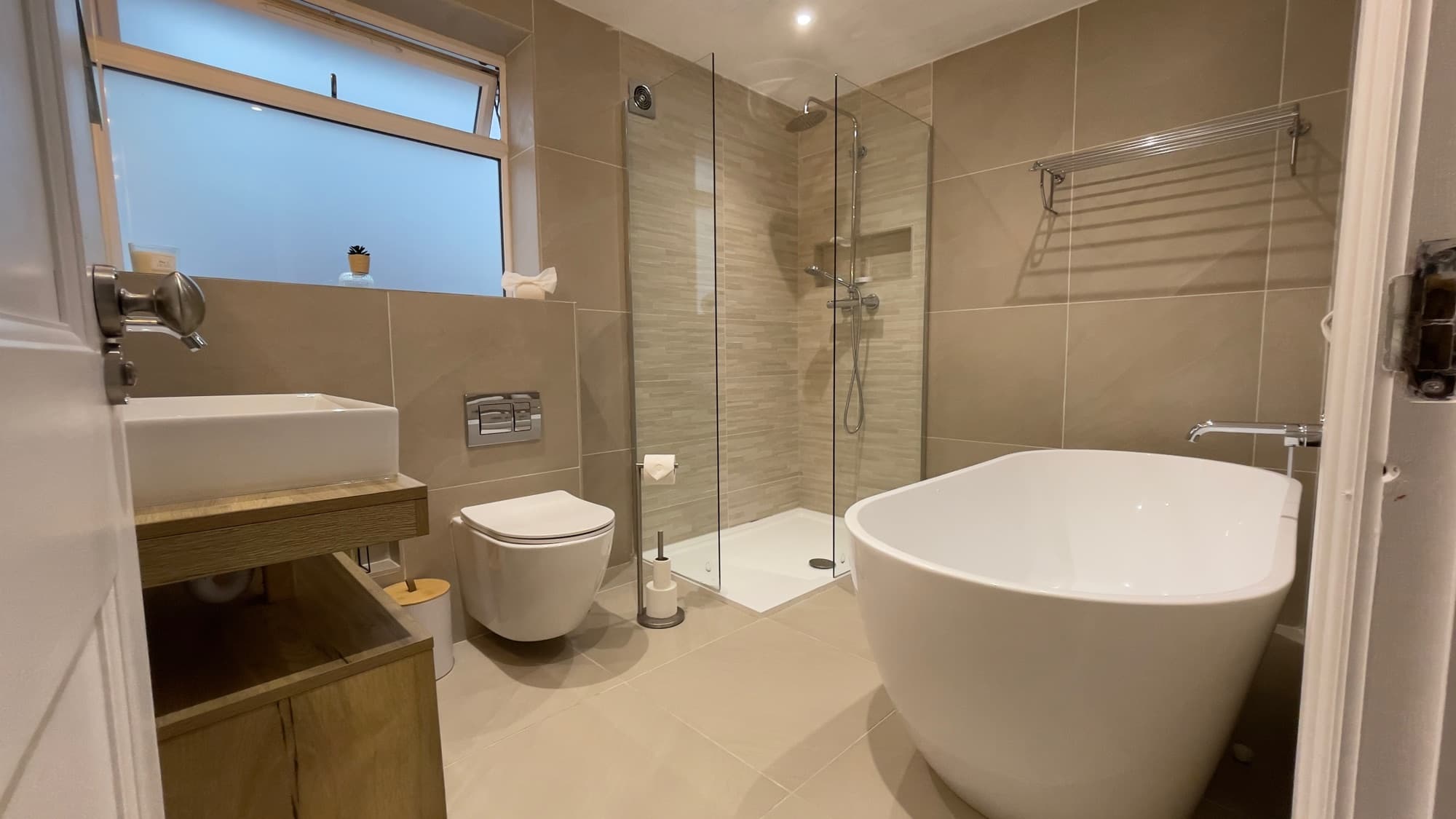
A specification settles each by description. The oven and extraction named as separate items. Limescale called out on taps, showers and screens, because a wiped-down bathroom can still be furred. Carpets tied to the inventory condition rather than a vague cleaned. Outdoor space either included with a described standard or explicitly excluded, so nobody assumes the patio was in scope.
An adjudicator is looking for a described condition, not the word professional. Give them one and most disputes end before they start.
What makes no difference
Be willing to say which clauses are theatre. A requirement to steam-clean when the inventory shows the carpets were not steam-cleaned at check-in will not be upheld, and asking for it makes the rest of the specification look unreasonable. Telling an agent what not to write is the fastest way to be trusted on what matters.
The same goes for betterment. You cannot ask a tenant to return a property cleaner than it was handed over. The standard is the check-in condition, evidenced, and a specification that respects that line holds up. One that reaches past it invites the challenge that loses the whole claim.
We will send you the document we work to, whether or not you use us. It is a reasonable starting point for your own contracts.
Ask for the specification