Who is responsible for end-of-tenancy cleaning
Who pays for the clean at the end of a tenancy is decided by the tenancy agreement and the condition it was handed over in, not by custom. Here is how to read the clause, where fair wear and tear draws the line, and what a landlord can and cannot require.

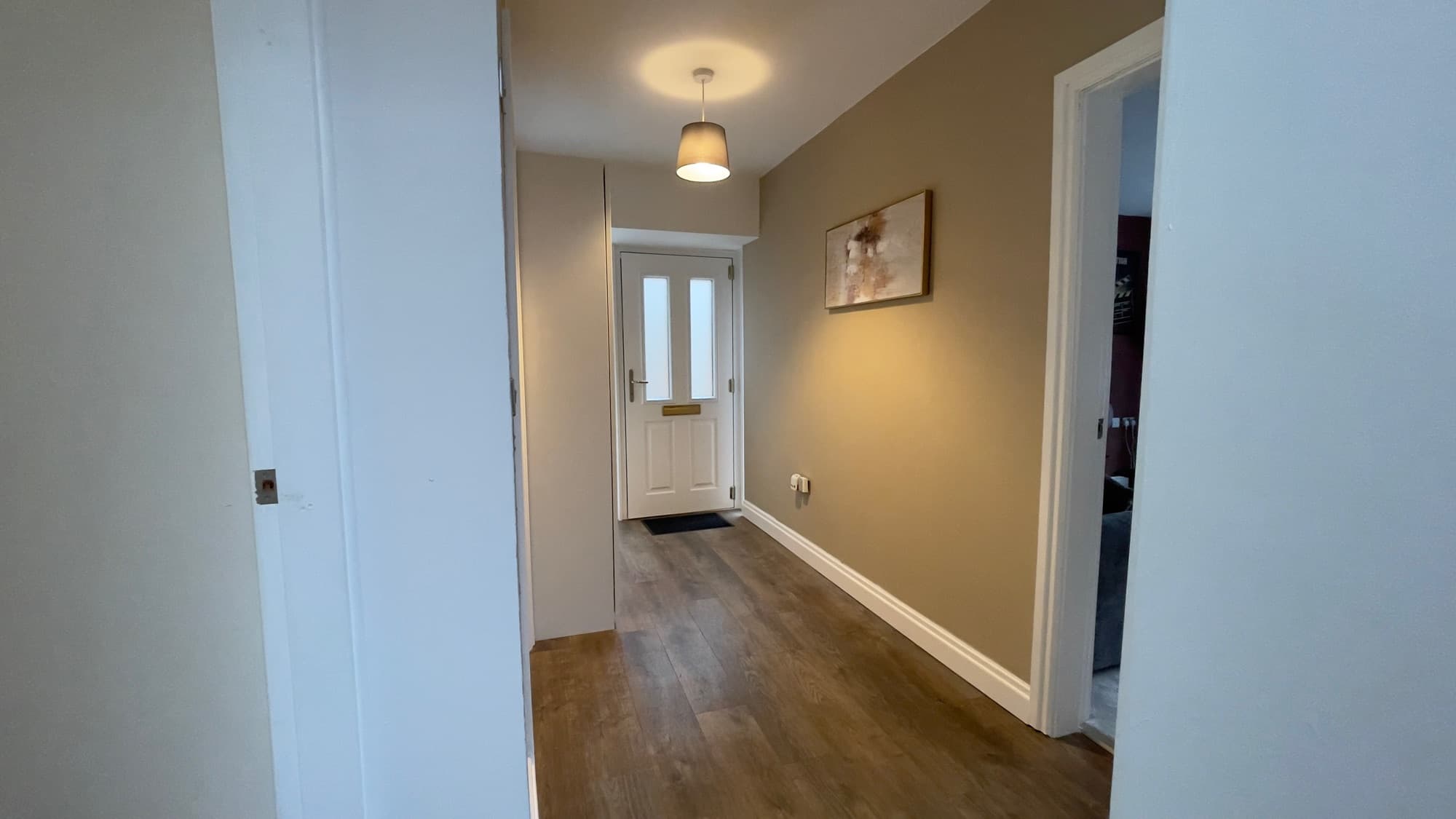
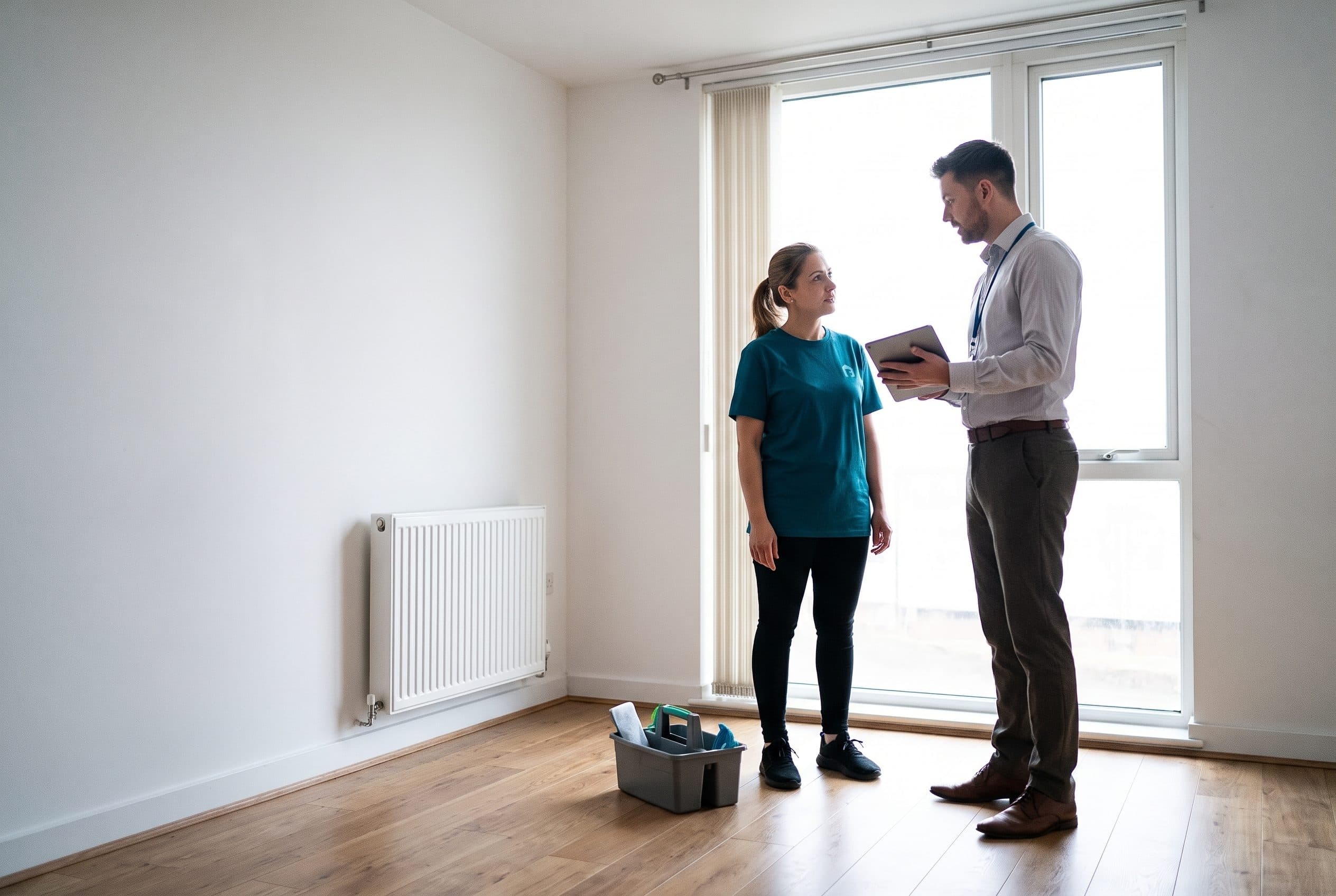
The tenant is responsible for returning the property as clean as it was at the start of the tenancy, allowing for fair wear and tear. The landlord is responsible for the property being clean at check-in, and for evidencing that condition. If the tenant does not meet the standard, the cost of putting it right can be deducted from the deposit. If the check-in condition was never recorded, that deduction is hard to sustain.
So responsibility runs both ways, and it turns on evidence. The tenant owes the check-in condition back. The landlord owes proof of what that condition was. A deposit scheme adjudicator is comparing two documented states, and whichever side cannot document theirs is the side that loses the argument.
What the agreement actually says
Read the cleaning clause before you assume anything. A well-drafted tenancy asks the tenant to return the property to the standard recorded in the check-in inventory. A poorly drafted one asks for it to be professionally cleaned, which sounds stronger and is weaker, because a scheme will not compel a tenant to hire a company or uphold a clause that only names a method.
If the clause ties the standard to the inventory, the inventory decides. If it does not, the fallback is still the condition at check-in, because the law will not let a landlord require a property back cleaner than it was handed over. Either way the check-in record is the reference point, which is why its quality matters more than the wording of the clause.
Fair wear and tear
Fair wear and tear is the reasonable deterioration you would expect from normal use over the length of the tenancy. It is not a licence to leave a property dirty. Dust and light marks from ordinary living fall on the tenant to a degree, but a build-up of grease in the oven, limescale in the bathroom, or a property left after a long tenancy with no cleaning is not wear and tear, it is a cleaning liability.
Fair wear and tear covers the property ageing. It does not cover the property being left dirty. The two get confused, and the inventory is what separates them.
What a landlord can and cannot require
A landlord can require the property back at the check-in standard, can deduct the reasonable cost of the clean that closes the gap, and can use dated photographs to evidence it. A landlord cannot require the tenant to use a named cleaning company, cannot charge for betterment by making the property cleaner than it started, and cannot deduct for a standard that was never recorded at check-in.
For an agent managing this on a landlord's behalf, the safe position is simple. Record the check-in condition properly, specify the return standard against it, and when a deduction is needed, evidence the gap rather than assert it. A claim built that way holds. One built on the word professional does not.
We clean to the check-out report and photograph the finished property, so the evidence a deposit claim needs is already in hand. Tell us about the tenancy.
Request a quote