Deep clean versus regular clean
A regular clean maintains a property. A deep clean resets it. They are different jobs with different prices, and paying for one when you need the other is the usual mistake. Here is what each covers, and when each is the right call.

A regular clean keeps a property at a good standard from one visit to the next. A deep clean brings a property back up to that standard when it has drifted below it, or resets it fully before a new use. The difference is not effort for its own sake, it is reach: a deep clean gets to the build-up and detail a maintenance clean is not scheduled to touch.
Because they are different jobs, they are priced differently, and that is where the confusion costs money. A deep clean is more expensive because it is more work. Booking a deep clean every week wastes that premium on a property that only needs maintaining. Booking only regular cleans on a property that needs resetting means the build-up never gets addressed, and the standard slides.
What a regular clean does
A regular, or maintenance, clean covers the visible surfaces on a repeating schedule: floors, worktops, bathrooms sanitised, kitchen wiped down, bins, dusting, and the general presentation of the rooms in use. It assumes the property is already at a reasonable standard and keeps it there. It does not, by design, budget time for the oven interior, descaling, behind appliances or the detail work, because doing those every visit would be slow and unnecessary.
What a deep clean adds
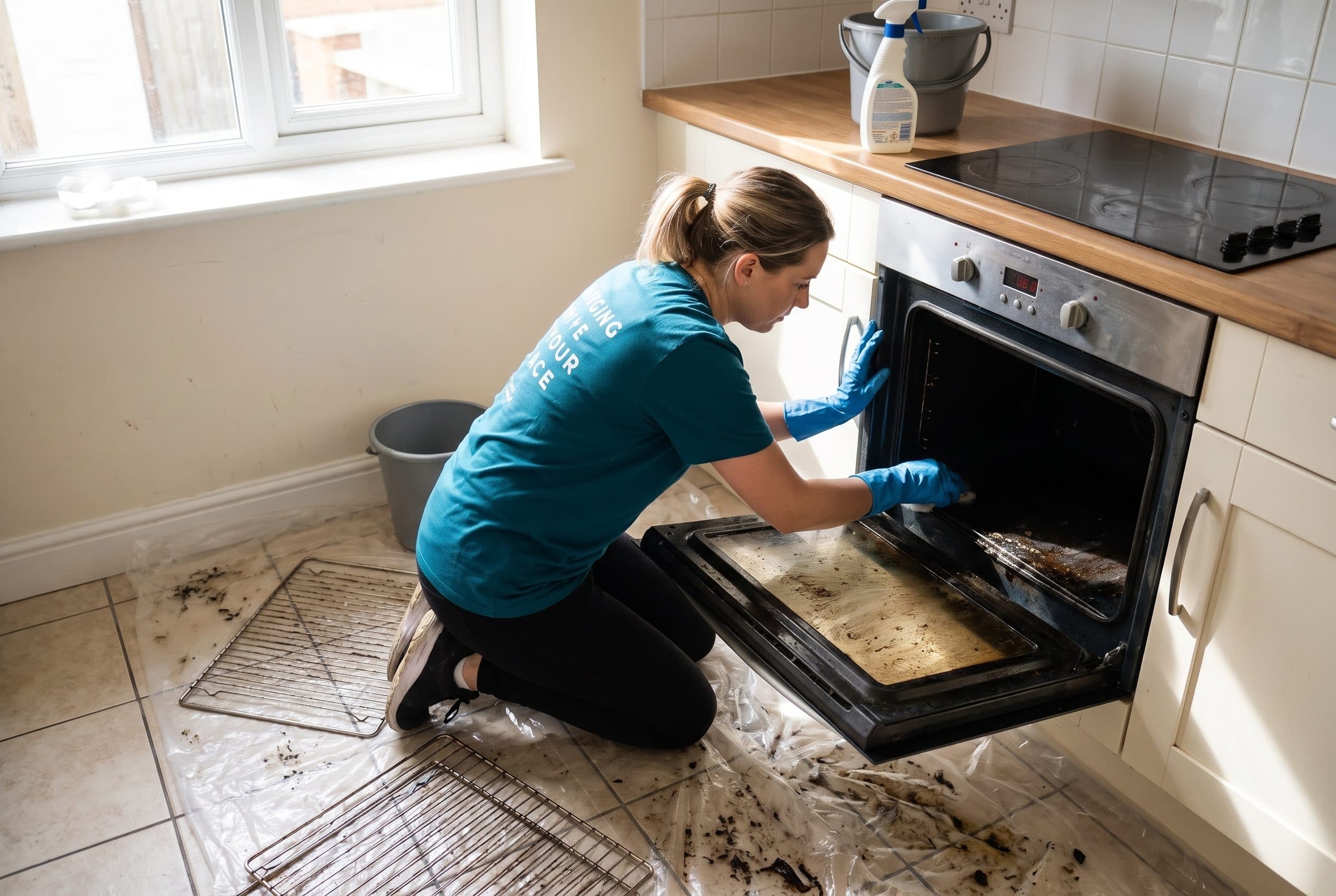
A deep clean reaches everything the maintenance clean skips. The oven and extraction degreased, limescale removed from taps, screens and tiles, grout cleaned, behind and under appliances and furniture, skirtings, frames and vents, and soft furnishings where they need it. It takes longer because none of it is quick, and it is what returns a property to the condition a maintenance clean can then hold.
When you need each
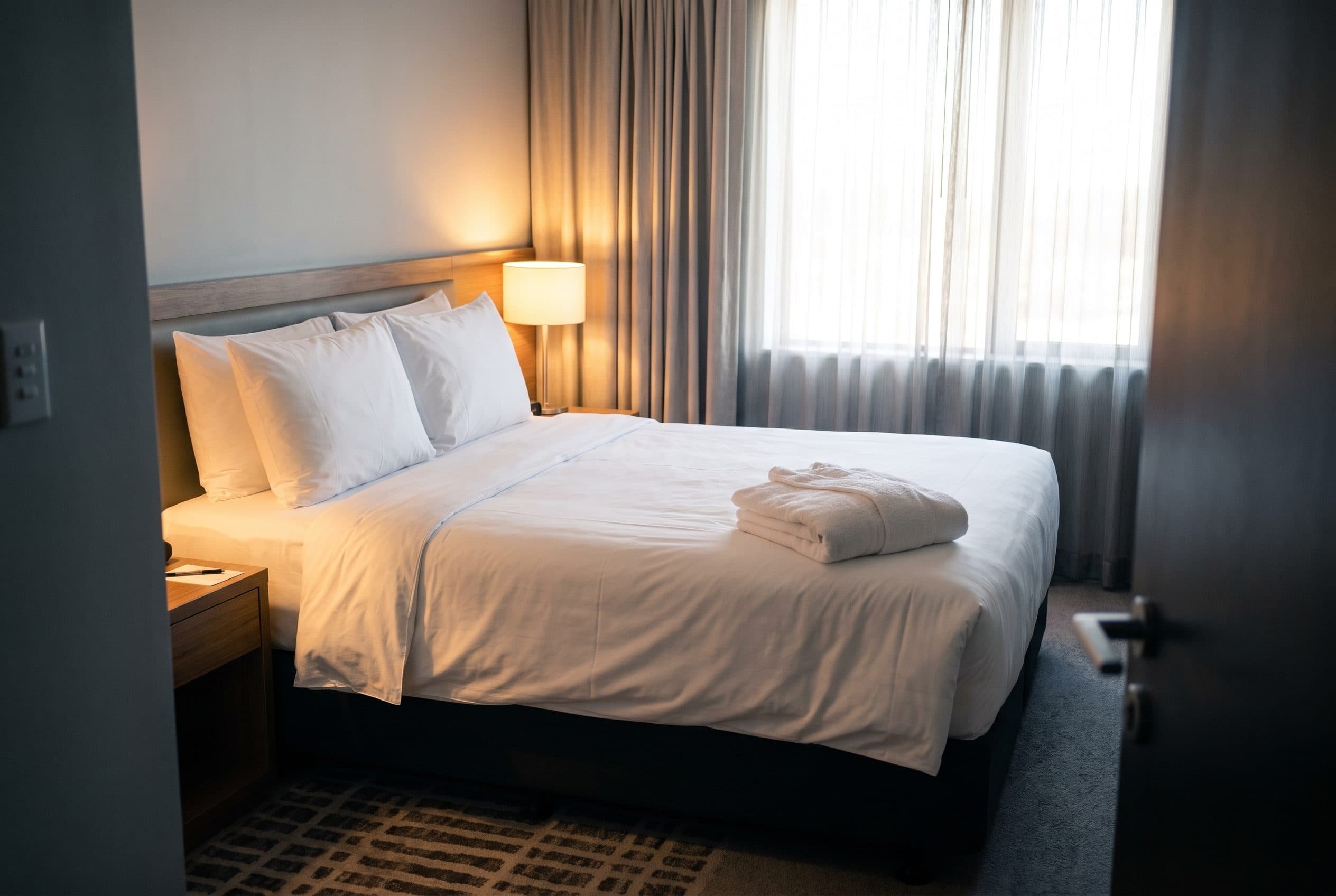
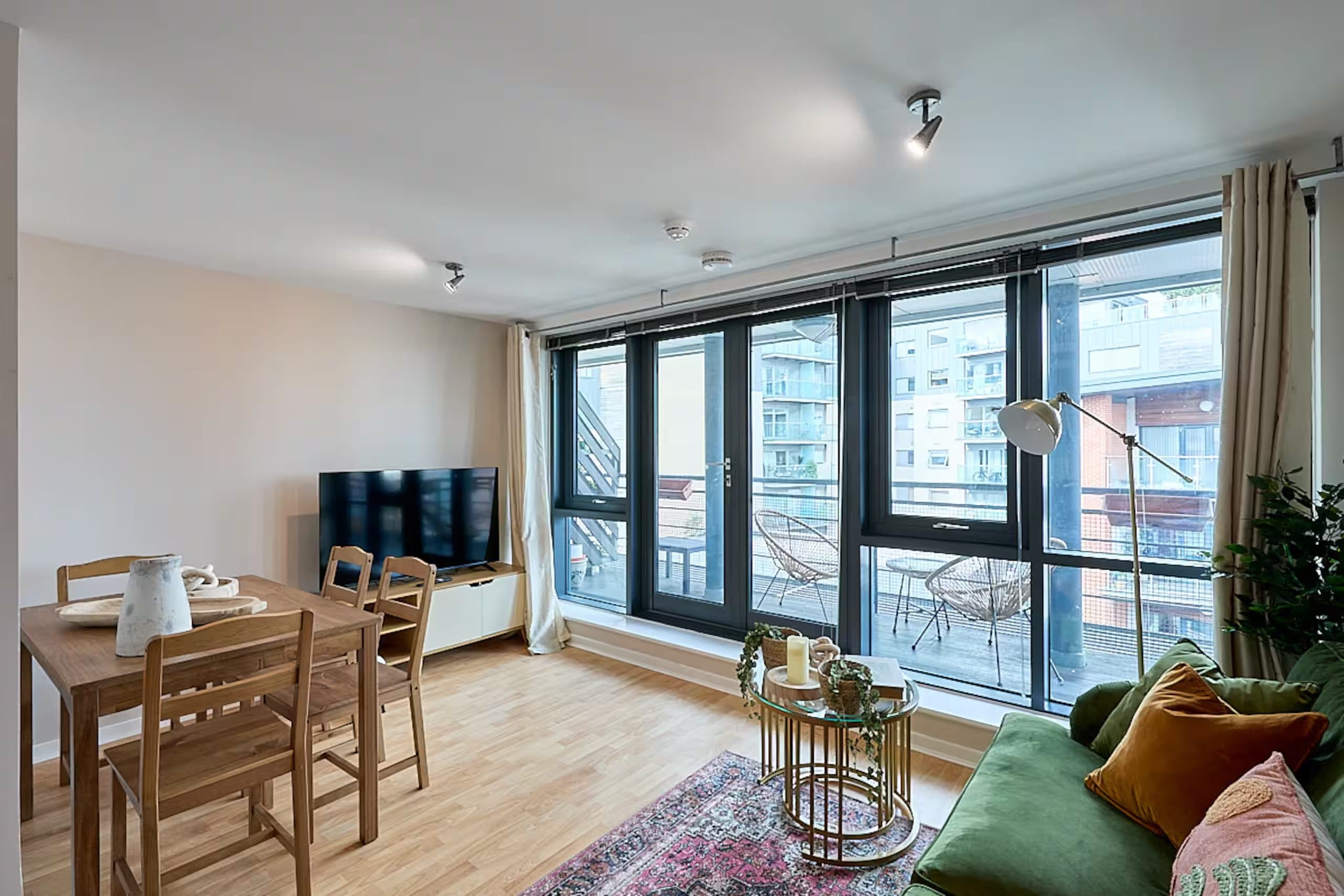
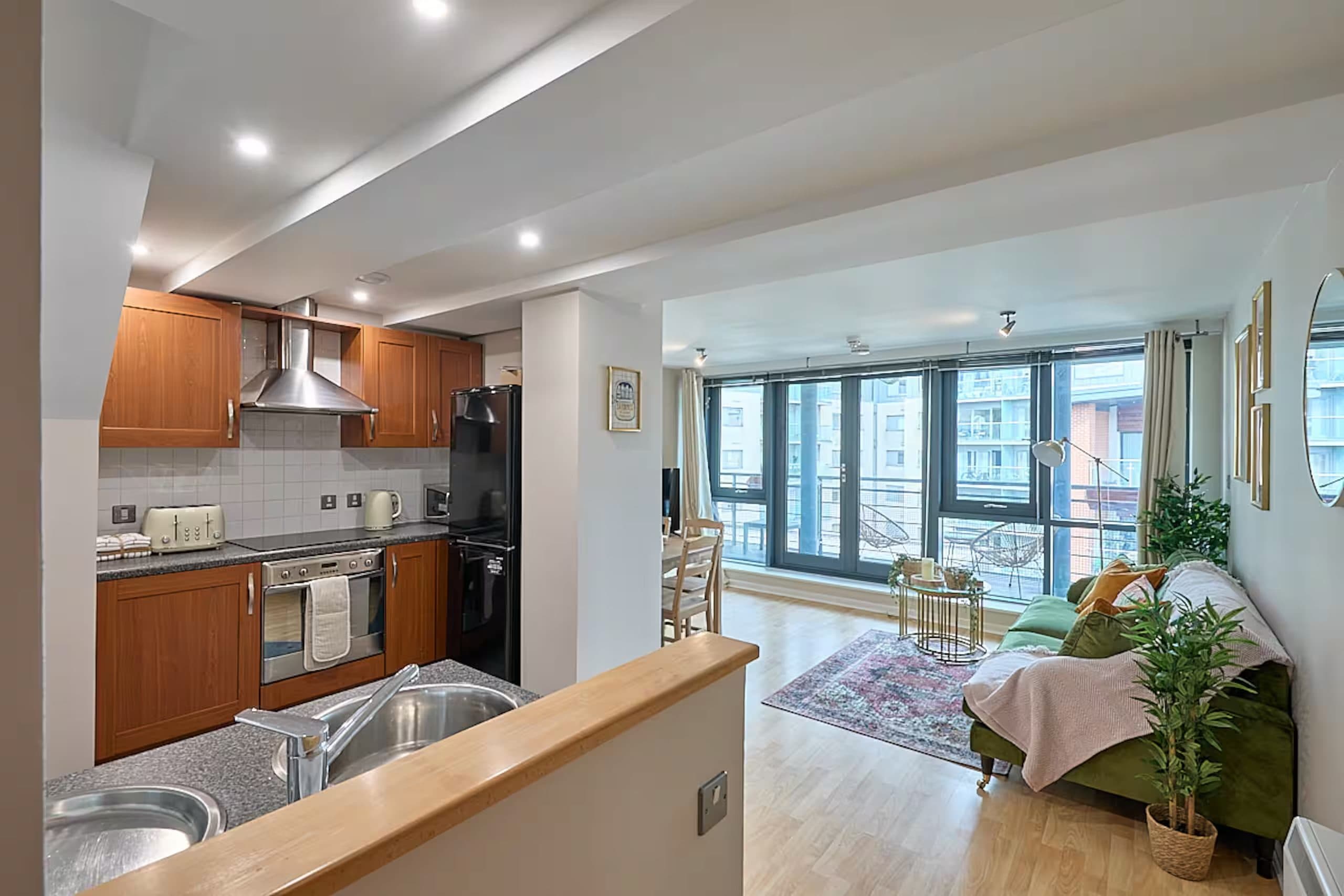
Use a regular clean to maintain a property that is already in good order: an office, an occupied home, a communal area on a schedule. Use a deep clean at the points where a property changes hands or has fallen behind: before a new tenancy or occupant, at the start of a cleaning contract to establish the baseline, on a short let at a set interval on top of the changeovers, or on any property where regular cleaning has lapsed. The common pattern is a deep clean to set the standard, then regular cleans to hold it.
Tell us the property and how it is used and we will say plainly whether it needs a deep clean, a regular schedule, or a deep clean to start and maintenance after.